
Tech Rapture
The thrill of disruptive technology

It’s 10 pm on a mild day in San Francisco. A car pulls up a quiet ally in the Mission district to pick up myself and a friend after a few drinks at the bar. It has no driver.
It looked just like a normal car, except for the screens on the backs of the front seats and a big STOP button on the ceiling. It was an eerie feeling to see the steering wheel move by itself as Aubergine (yes, it had a name) cautiously navigated the hills of SF. My excitement didn’t wane for the entirety of the 30 min ride.
I find myself wondering about the peculiar quality I felt taking that ride. It wasn’t the roller coaster excitement of perceived danger - I felt very safe cruising slowly through the quiet streets. No, it was a more conceptual, imaginal excitement. It occurred to me that it was the same excitement that I felt when I punched my first prompt into D-ALLE, when I was evading bullets in slow-motion with an Oculus on my face, or when I submitted my first blockchain transaction. I felt like I could taste the future.
We hear a lot about Future Shock these days. This article explores the opposite response, what I call Tech Rapture.
“Tech Rapture is the thrill of seeing disruptive technology work. It is characterised by the textures of nerdiness, personal excitement, and societal implications.”
Tech Rapture is the vertiginous elation that drives scientists, entrepreneurs, and sci-fi writers. In the following, we’ll tease apart the different textures that make Tech Rapture such an exquisitely delicious quale.
Tech Rapture is for nerds
The Wells quote “Sufficiently advanced technology is indistinguishable from magic” describes a certain kind of marvel that is fascinating, but not the same as Tech Rapture. If I have no idea how a technology works, it might as well be magic. Zoom still feels like magic for me even after years of using it. This naive wow-factor comes from my cluelessness about how it works.
Tech Rapture is different. It’s for the nerds. There’s still wonder, but of a different kind. The wonder is at the ingenuity of how a whole stack of technology makes any application possible. My fascination with the self-driving car came from knowing how many years of research were needed for deep neural nets, image recognition and not to mention the whole data pipeline to come together and get that car rolling by itself. In Tech Rapture, the deeper the knowledge about the technologies involved, the greater the wonder about them actually working in real-life situations.
Crystal-balling the frontier
Tech Rapture is connected with the joy of being right: I knew for years that self-driving cars were going to be possible and had countless conversations with people who doubted it would ever happen. It would be dishonest to deny that the anticipation of showing these naysayers the video with a gleeful smile was in play. It’s a joy to be adopting these technologies first, to ride the waves of innovation.
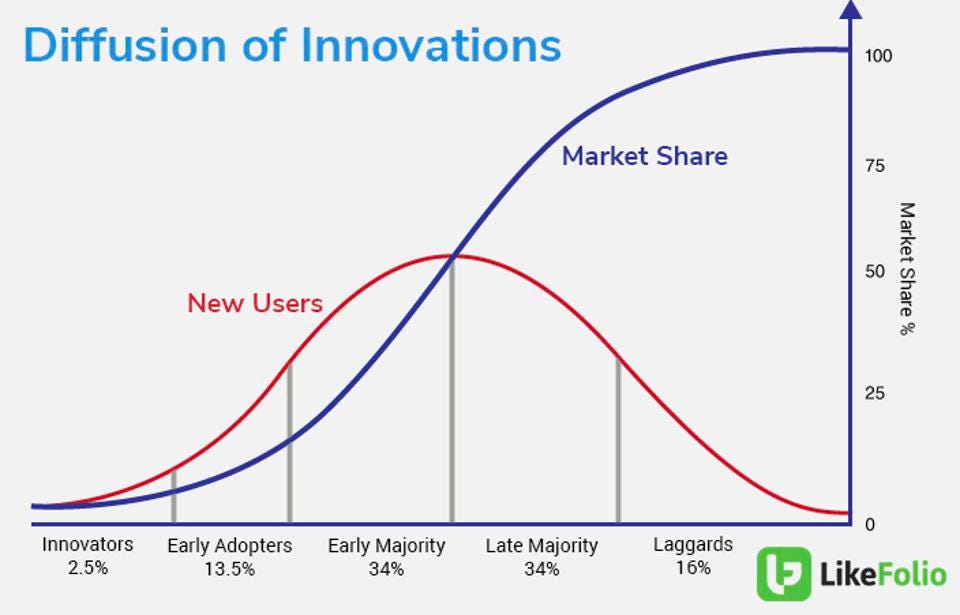
“The future is already here, it’s just not evenly distributed”.
Adopting disruptive tech early feels like getting a new superpower. You can suddenly do something that wasn’t possible before: Creating complex financial transactions with a snippet of code, spawning creative art through a few sentences - what a thrill. That feeling becomes even stronger for innovators working on bringing the tech to market. There is a feeling of being part of history, of having a small say in how the technological possibility will actually manifest.
Thinking about future possibilities
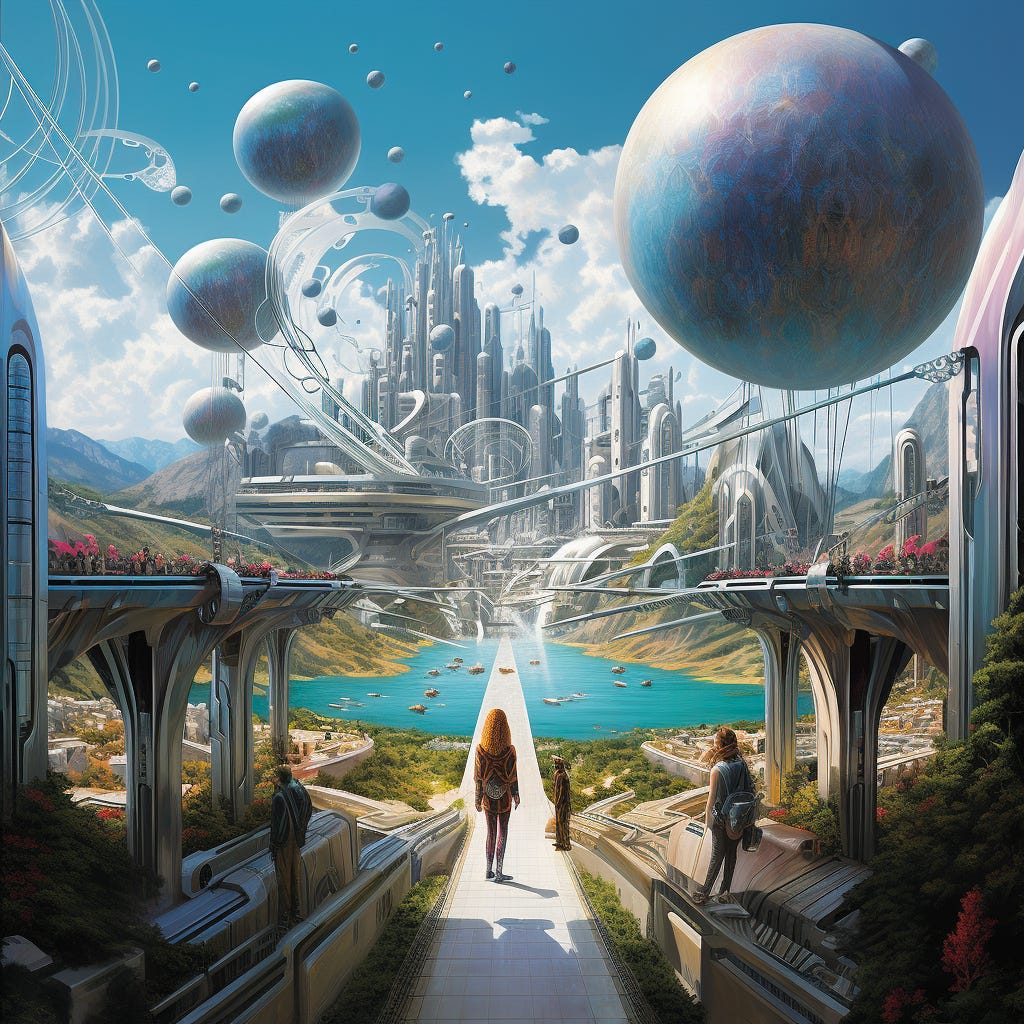
That feeling of being part of history in the making can open up further into a third texture of Tech Rapture: thinking about the branching paths of possible futures. Arguably, history is mostly the history of technology, mostly. The human genome has barely changed for thousands of years. Change happens on the cultural level, and culture is downstream from technological innovation. The wheel kicked off the bronze age, the printing press led to the reformation and democracy, the steam engine produced the industrial revolution.
“When you cut into the present, the future leaks out”, says Burroughs.
Technology is the knife that cuts into the present, and Tech Rapture is the excitement of seeing the future leak out.
Futures (plural), that is, since it matters a lot when a technology is introduced and what form it takes. What would the world look like if solar took off 50 years earlier? What if early internet pioneers didn’t converge on the ad-based monetization model? There is significant path dependence at play. Accordingly, decisions on product, business models, etc. for any disruptive technology can have huge consequences on a societal level. Each technological innovation also opens up ethical questions. For instance, the ethical conundrums around self-driving cars finally vindicate the countless hours philosophers have spent on trolley problems.
This is an intellectual feast for historians, philosophers, and sociologists since historical, societal, and ethical implications are in play. It matters what technologies we develop and how we design them.
Generalising Tech Rapture
The thrill of seeing new technology in action is undergirded by a rich tapestry of feelings, thoughts and images:
Conceptual snippets of technical knowledge - neural nets, image recognition, training data, in the case of the self-driving car;
Memories of content and conversations predicting that this would be possible, and the fact that we’re now actually experiencing it;
The transformation of society that this tech will lead to, opening up multiple sci-fi vistas of great freedom or oppression.
In Tech Rapture, the textures of nerdiness, the joy of being right, and of future implications, all blend together.
Just like stress can either be challenging in an empowering way or cause anxiety (eustress vs. distress), it is similar for technological disruption. If the right conditions are present, the thrill of Tech Rapture can develop instead of the anxiety of Future Shock. As technological innovation speeds up, we should aim to educate on the technologies themselves, the benefits of adopting them, and the new possibilities they open up for society. This would allow more people to experience Tech Rapture instead of being caught in a perpetual state of Future Shock.